
Always bestprice Travel · Travel itinerary
Pyrgos (Ilia, Dytiki Ellada, Greece) in 3 Days – Complete Itinerary
3 days / 2 nights · History, archaeology, coast, culture
Pyrgos, Greece
 Scan to open the online itinerary
Always bestprice Travel · Contents
In this itinerary
- Overview and map3
- Day 1 – Pyrgos: the center and its architecture4
- Day 2 – Olympia: the sanctuary and the birth of the Games5
- Day 3 – Katakolo, beach and Skafidia Monastery6
- Indicative budget7
- Practical tips8
Pyrgos (Ilia, Dytiki Ellada, Greece) in 3 Days – Complete Itinerary
3 days / 2 nights · History, archaeology, coast, culture
Pyrgos is a practical base for exploring Elis: the first day is dedicated to the town center, while the second takes you to Olympia, among ancient ruins and museums. The third day follows the coast to Katakolo, with a beach stop and a visit to Skafidia Monastery. The stops are designed to be done on foot in town and by bus, rental car, or taxi for excursions outside Pyrgos. Before setting out, it’s a good idea to check the latest opening times for museums, buses, and archaeological sites.
- Stops
- 4 · 4 with location
- Mode
- Walking
- Route
- 531 m · 6 min
- Source
- Mapbox · walking
Stops on the map
Day 1 · Walking · 531 m · 6 min · Source: Mapbox · walking
- 79 m · 1 minWalking 1 min (79 m) · Taxi ~1 min · Metro ~5 min (estimate)
- 207 m · 3 minWalking 3 min (207 m) · Taxi ~1 min · Metro ~6 min (estimate)
- 245 m · 3 minWalking 3 min (245 m) · Taxi ~1 min · Metro ~6 min (estimate)
Day 1 – Pyrgos: the center and its architecture
Discover the heart of Pyrgos on foot, alternating between city heritage, the museum, and coffee breaks in the center.
09:30
Arrival and orientation at Plateia Iroon
Start from the central square, a convenient place to get your bearings and observe the city's daily rhythm. Allow about 30–40 minutes for the walk and take a break in one of the nearby cafés; a Greek coffee or espresso costs roughly €2–4.
If you arrive by bus, check in advance the distance from the terminal to the square and any local connections.
10:15
Archaeological Museum of Pyrgos
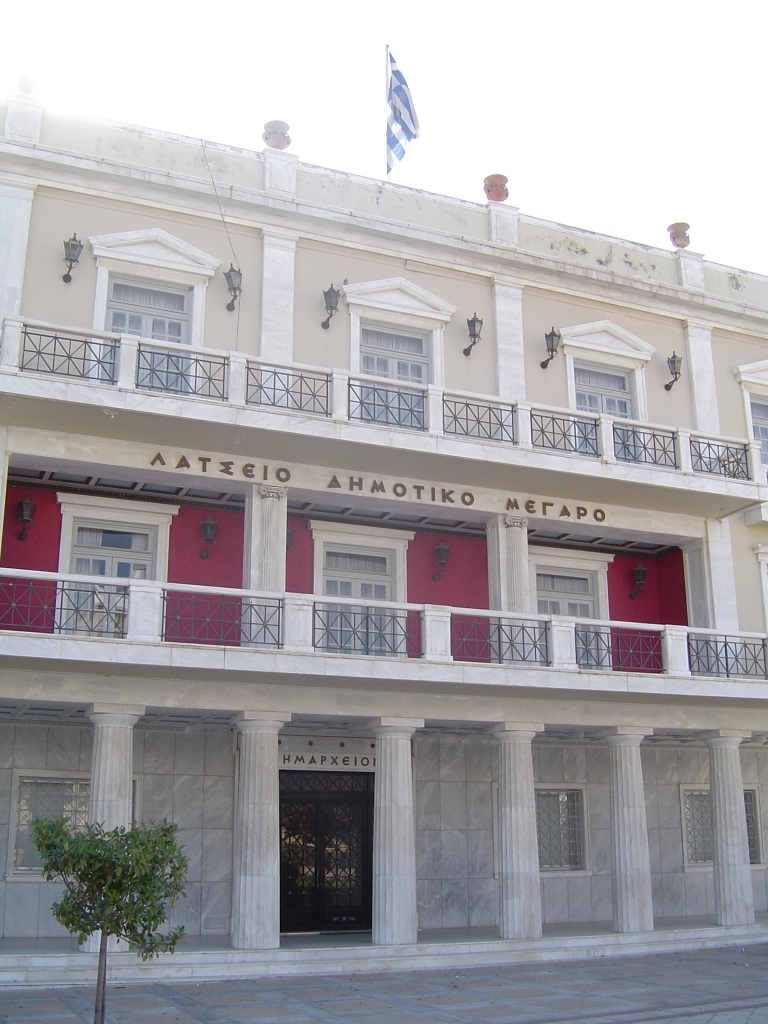
Visit the museum, housed in the historic municipal market building, to get closer to the history of Elis through local artifacts. Allow about 60–90 minutes; the ticket, if any, may vary, roughly €0–8 depending on rates and concessions.
Check opening days and admission fees before visiting: local museum hours can change.
11:45
Walk to Apollo Theatre
Walk to Apollo Theatre in the city center and admire its façade and architectural details. The exterior visit takes about 20–30 minutes; access to the interior depends on the schedule and any events.
Treat this stop mainly as an architectural pause, without relying on the chance to catch a performance.
12:30
Agios Nikolaos Cathedral
Continue on foot to St. Nicholas Cathedral, one of the city center’s key religious landmarks. Allow 20–30 minutes for the visit, if it is open, while respecting silence and appropriate dress; admission is usually free.
During religious services, it is best to stay outside or wait until the celebration is over.
13:15
Lunch in the center of Pyrgos
Stop at a taverna or a place frequented by locals, choosing simple Greek dishes such as salad, seasonal vegetables, and grilled specialties. Budget around 12–22 € per person for a meal, drink included, depending on the venue and your choices.
To save time, pick a place just a few minutes’ walk from the square.
15:00
Free time among shopping streets and cafés
Spend the afternoon on the central streets, among shops, pastry stores, and short outdoor breaks. This is a flexible time to buy water and supplies for the next excursions or head back to your accommodation to rest.
For the next day’s transfers, ask your accommodation in advance which connections to Olympia are running on your travel date.
17:30
Return and dinner in Pyrgos
End the day with a leisurely walk through the center and dinner without venturing far from your accommodation. For a taverna dinner, allow roughly 15–28 € per person; leave some time for the return and to prepare water and a hat for the archaeological day ahead.
In summer, the middle hours are hot: schedule the more demanding outdoor visits for the morning.
Day 2 – Olympia: the sanctuary and the birth of the Games
Explore the archaeological site of Olympia and its main museums without cramming the visits into a single rush.
08:00
Transfer from Pyrgos to Olympia
Reach Olympia, about 20 km from Pyrgos, by intercity bus if the service is available, or by rental car or taxi. The trip usually takes 30–45 minutes; allow about 3–10 € per ride by bus or a higher cost for taxi and rental.
Schedules and services may be reduced outside the season: check the return connection before setting out.
08:45
Entrance to the archaeological site of Olympia
Set aside about two hours for the sanctuary, taking in the sacred area, the temple ruins, and the spaces once used for competitions. Bring water and shoes with sturdy soles: the route alternates between shaded stretches and exposed areas. Admission may cost around 12–20 €, depending on the season and ticket option.
Opening hours and fees may vary; in summer, arrive early to avoid the heat and crowds.
11:00
Stadium of Olympia
Continue within the archaeological area to the ancient stadium, reachable on foot from the sanctuary core. Take in the track and the monumental entrances; allow 30–45 minutes, bearing in mind that this is part of the site visit and not normally a separate urban stop.
Stay on the permitted paths and do not enter areas closed for protection or maintenance.
11:45
Archaeological Museum of Olympia
Visit the archaeological museum, which brings together finds from the sanctuary and provides useful context for what you’ve seen among the ruins. Set aside at least 75–90 minutes for the main rooms; admission may be included or tied to a combined ticket with the site, to be checked at the time of purchase.
A guided tour or audio guide can help you identify the most important finds without rushing.
13:30
Lunch in the village of Olympia
Stop in the modern center, a short walk from the museum area, for lunch and a break in the shade. A simple meal costs around 12–22 € per person; a light snack with a drink may cost less.
In the warmer months, bring a water bottle and refill it when you find accessible drinking water points.
15:00
Museum of the History of the Olympic Games of Antiquity
Set aside about 45–60 minutes for this museum to delve into the evolution of the competitions, their key figures, and the religious and social context of the ancient Games. The visit complements the archaeological route and helps connect the exhibits to the sanctuary’s history.
Check the museum’s opening hours for your chosen day: they may differ from those of the archaeological site.
16:15
Return to Pyrgos
Head back to Pyrgos on your pre-booked or заранее arranged connection. Allow 30–45 minutes for the journey, plus the time needed to reach the stop; expect roughly 3–10 € each way by bus, with higher costs for taxis.
If you’re traveling by bus, don’t rely on the last service without confirming its time.
Day 3 – Katakolo, beach and Skafidia Monastery
Discover the port of Katakolo, visit an original museum, and end between the sea and the religious heritage of Elis.
09:00
Transfer from Pyrgos to Katakolo
Reach Katakolo, about 13 km from Pyrgos, by local bus or taxi; alternatively, use a rental car to handle the later stops with greater flexibility. Allow about 20–30 minutes for the trip and check availability and schedules of connections on site.
Don’t assume that a tourist train or rail service will be operating on the day of travel.
09:40
Walk to Katakolo Port
Explore the port and waterfront, watching the boats and the cruise-ship activity. A 30–45 minute stroll is enough to get your bearings and enjoy the scenery; access to the port is free.
On days when ships arrive, the area can be busier and some places may charge tourist prices.
10:30
Museum of Ancient Greek Technology Kotsanas
Spend about an hour at the museum, known for its reconstructions of devices and inventions from ancient Greece. The exhibits help explain principles of mechanics, automation, and measurement through illustrative models; budget roughly 5–10 € for admission.
Check updated opening hours and prices: they may change depending on the season and ongoing activities.
11:45
Free time on Katakolo waterfront
Take a break for a coffee, a stroll among the shops, or some local shopping. Allow 45–60 minutes and leave a little time to get to the beach by bus, taxi, or car.
If you want to swim, bring your swimsuit, towel, and sunscreen with you.
12:45
Lunch in Katakolo
Choose a taverna for a lunch of fish or traditional dishes, and ask about prices before ordering fish sold by weight. Budget roughly 15–30 € per person, with significant variation depending on the menu and the fish you choose.
For a more economical option, go for the daily special or a light lunch.
14:15
Agios Andreas Beach
Head to Agios Andreas Beach, near Katakolo, for a stop of about 90 minutes for swimming and relaxing. Access to the beach is generally free; any sunbeds and umbrellas are extra, and the cost depends on the operator and the season.
Check sea conditions and bring reef shoes if you prefer more comfort near the water.
16:15
Monastery of Skafidia
Continue on to the Monastery of Skafidia, reachable by car or taxi from the coast; buses can be infrequent, so arrange your transfer before leaving Katakolo. Allow 30–45 minutes for the complex, following local guidance; admission is generally free, but opening hours and access may depend on religious activities.
Wear modest clothing and check in advance whether the monastery can be visited during your planned time slot.
17:30
Return to Pyrgos
Head back to Pyrgos with your arranged transport, allowing around 25–40 minutes for the journey depending on your departure point and traffic. If you used a taxi or car, confirm the vehicle’s availability beforehand to avoid waiting at the end of the day.
For a final dinner in town, budget around 15–28 € per person at a tavern.
Estimated budget
| Accommodation for 2 nights (per person, shared double room) | 90–220 € |
| Meals and drinks for 3 days | 75–150 € |
| Local transport and transfers for Olympia and Katakolo | 25–90 € |
| Entrance fees to archaeological sites and museums | 20–45 € |
| Extras, coffee, and personal expenses | 20–50 € |
Indicative estimate per person, excluding travel to reach Greece; prices are shown in euro, the local currency of Greece. Accommodation, museum, and transport rates vary depending on season, availability, discounts, and type of visit: always check the updated amounts before booking.
Practical tips
- Check the opening hours of the museums and the site of Olympia in advance, as they can vary throughout the year.
- Check the schedules of the intercity buses to Olympia and Katakolo and also plan your return trip: services can be limited.
- For the archaeological site, bring water, a hat, sunscreen, and comfortable shoes; in summer, make the most of the early morning hours.
- To visit the beach and the Skafidia Monastery on the same day, a rental car or an arranged taxi makes getting around easier.
Privacy preferences
We use GA4 statistics and Travelpayouts Drive affiliate tools and offers only with your consent. Accept, decline optional services or choose each separately.