Farsala Archaeological Museum
A useful stop to learn about the history of the town and the surrounding area through finds from local excavations. The collections help reconstruct the past of ancient Pharsalus.


In the heart of the Thessalian plain, Farsala combines the relaxed atmosphere of a Greek town with the memory of ancient Pharsalus, also famous for the battle of 48 B.C. With archaeological finds, river views along the Apidanos, and town churches, it makes for a pleasant stop away from the busiest routes.
A useful stop to learn about the history of the town and the surrounding area through finds from local excavations. The collections help reconstruct the past of ancient Pharsalus.
The remains of the ancient city lie on the hills near Farsala and include traces of its fortifications. The visit also offers an interesting perspective on the landscape of the Thessalian plain.
This waterway runs through the urban area and offers a peaceful break during a stroll around town. Following its banks lets you see a more everyday, greener side of Farsala.
Dedicated to Saint Paraskevi, this Orthodox church is one of the town’s places of worship worth including in a walk through the center. Its architecture and intimate atmosphere reflect the local religious tradition.
Located on a hill on the outskirts of town, it is a pleasant destination for a short excursion and to enjoy a wider view over Farsala and the plain. It is especially atmospheric in the cooler hours of the day.
From a first stroll to a week of discoveries. A starting point to make your own.
A focused immersion in Homeric myths and the remains of the famous battle between Caesar and Pompey.
A route that combines local archaeology with the monumental wonders of the Thessalian capital.
A complete experience that starts from the mythological roots of Farsala to explore the UNESCO sites and mountain landscapes of central Greece.
Farsala’s center is easy to explore on foot, while a car is useful for visiting the surrounding area. The town is connected by road with Larissa and other places in Thessaly; regional buses can be an option, but schedules and frequencies vary. Check departures with KTEL before setting off. In summer, take the heat into account when planning walks around town.
Spring and early autumn are the most pleasant times to visit Farsala, with temperatures generally suitable for walks and trips in the surrounding area. Summer can be very hot, especially during the middle of the day, while in winter the climate is cooler and more changeable. If you’re traveling in summer, plan your visits for the morning or late afternoon.
In town, you’ll find taverns and eateries serving Greek cuisine and Thessalian specialties; ask for the daily dishes to discover seasonal ingredients. Farsala is especially famous for halva, a local sweet to try in a pastry shop or buy as a souvenir. Meal times can be later than in Italy, especially dinner.
Where to stay · Farsala
1 night · max 14 nights
Observed average price · EUR/night
1 night · 1 room · 2 adults · no children
Arrival date
Lowest price among the hotels found
1 night · 1 room · 2 adults · no children
Prices are real for the searched dates and may change. Click a point on the chart to change arrival keeping the length of stay.
No availability for these dates
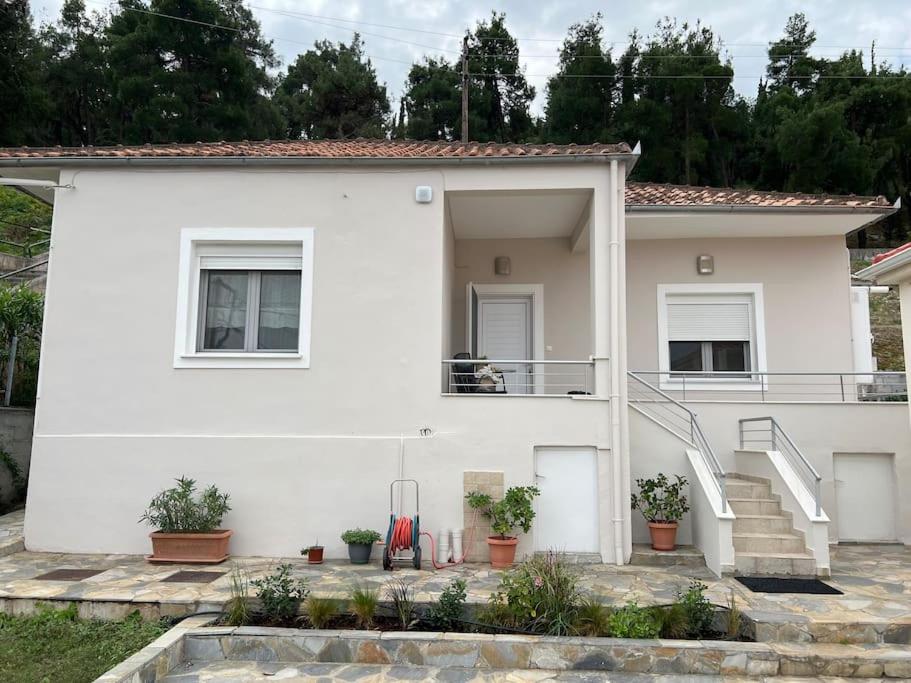
40 Eleftheriou Venizelou, Farsala
Bestprice price · Supplier: Nuitée/LiteAPI
Not available for these dates
We use GA4 statistics and Travelpayouts Drive affiliate tools and offers only with your consent. Accept, decline optional services or choose each separately.